

IB Core Requirements
The IB Diploma Programme has three core requirements that need to be met in order to successfully complete the programme:
- Creativity/Activity/Service (CAS)
- Extended Essay (EE)
- Theory of Knowledge (TOK)
IB Programme students must pass all three areas to be awarded the Diploma.
Creativity, Activity and Service (CAS) |
 |  |  |
CreativityArts and other experiences that involve creative thinking. | ActivityPhysical exertion contributing to a healthy lifestyle, complementing academic work elsewhere in the IB Diploma Programme. | ServiceAn unpaid voluntary exchange that benefits both the students and their community. |
| Creativity, activity and service enables students to enhance their personal and interpersonal development as well as their social and civic development, through experiential leaning, lending an important counterbalance to the academic pressures of the rest of the IB Diploma Programme. | ||
Extended Essay (EE) | |
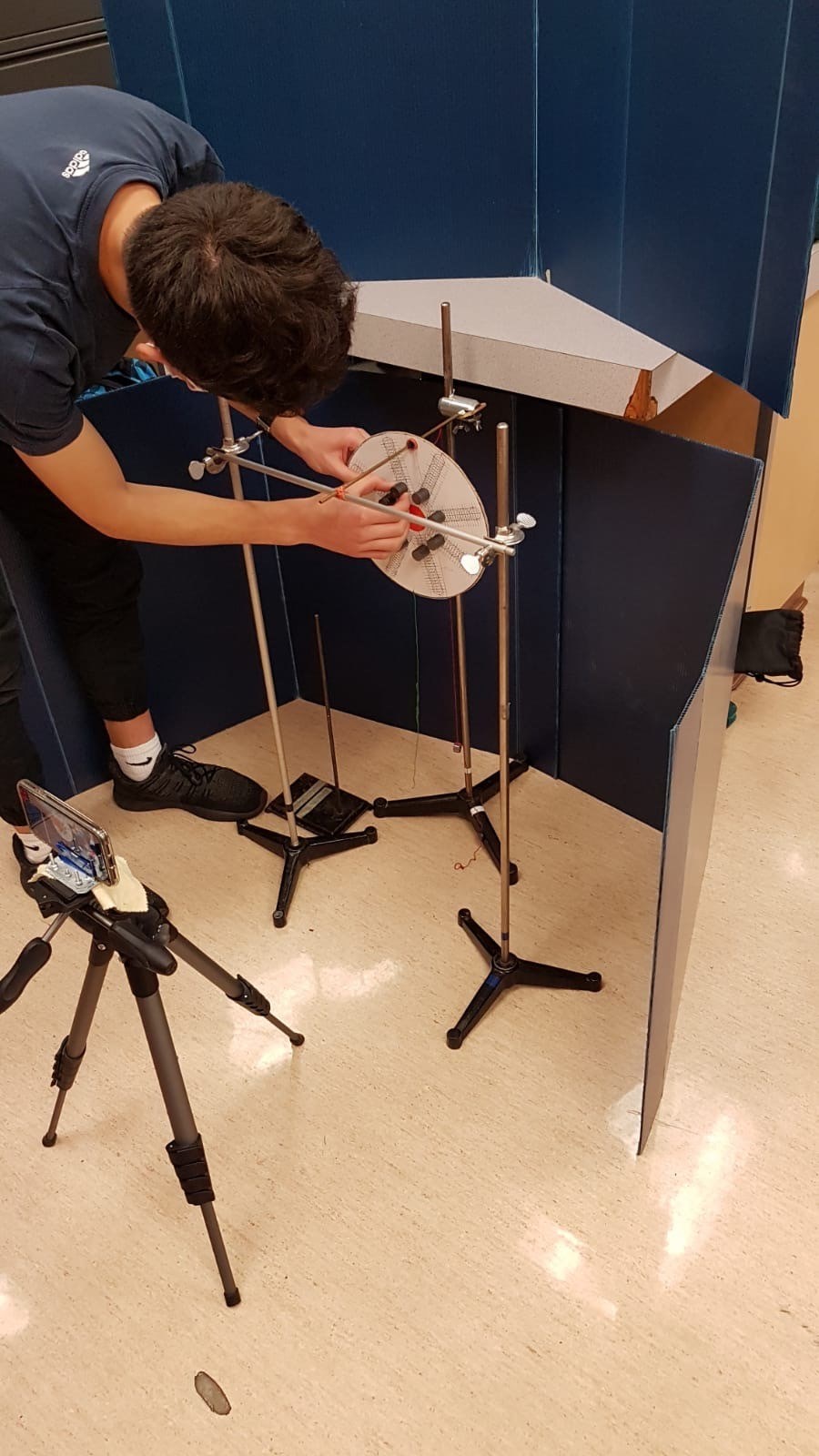 | The Extended Essay (EE) offers students the chance to investigate a subject of interest, usually (but not limited to) one of the student's sic IB subjects. It promotes self-directed research and intellectual discovery and creativity, resulting in approximately 40 hours of work, written in an essay of maximum 4000 words. Students are expected to:
|
Theory of Knowledge (TOK) | |
Theory of Knowledge Essay Prescribed Titles 2026 1. In the production of knowledge, does it matter that observation is an essential but flawed tool? Discuss with reference to the natural sciences and one other area of knowledge. 2. To what extent do you agree that doubt is central to the pursuit of knowledge? Answer with reference to two areas of knowledge. 3. Is the power of knowledge determined by the way in which the knowledge is conveyed? Discuss with reference to mathematics and one other area of knowledge. 4. In the acquisition of knowledge, can we only understand something to the extent that we understand its context? Discuss with reference to two areas of knowledge. 5. To what extent do you agree with the claim that “all things are numbers” (Pythagoras)? Answer with reference to the arts and the human sciences. 6. To what extent is interpretation a reliable tool in the production of knowledge? Answer with reference to history and one other area of knowledge. |
